Ultherapy in Seoul
Ultherapy® is the brand name for microfocused ultrasound with visualization (MFU-V), a non-surgical skin-lifting technology delivering focused acoustic energy at 1.5 mm, 3.0 mm and 4.5 mm depths. Its US regulatory pathway began with De Novo classification for non-invasive brow lift in 2009, followed by 510(k) clearances for additional indications. The visible result builds over 8–12 weeks. Published studies document improvement through their defined follow-up periods, often 180 days, while a small pilot followed some participants to one year; they do not establish one duration for every patient. Most people return to usual activity the same day, but temporary redness, swelling, tenderness, bruising, numbness or altered sensation can occur.
What Ultherapy is, at a glance
Ultherapy® is a brand of microfocused ultrasound with visualization (MFU-V). The device delivers focused ultrasound energy into three pre-set depths under the skin (typically 1.5 mm, 3.0 mm, and 4.5 mm) to create small zones of thermal coagulation in the dermis and the superficial musculoaponeurotic system (SMAS). Over the following weeks and months, fibroblasts in the treated planes respond with new collagen formation, which is the source of the gradual lift and tightening that patients see.
A few things are worth fixing in mind before going further. Ultherapy is non-surgical, so it does not replace a facelift for advanced laxity. The visible result builds over two to three months. Fabi and Goldman assessed outcomes through 180 days; a separate 20-person pilot followed participants for one year, with 14 evaluable by blinded assessment. Neither study establishes a typical long-term duration or a fixed retreatment interval. And the device shows the clinician a live ultrasound image of the tissue being treated, the feature that sets it apart from generic HIFU platforms and has kept it in dermatology practices for over a decade[1,2].
The technology entered its US regulatory pathway through De Novo classification in 2009 for non-invasive brow lift, followed by 510(k) clearance for submental and lateral neck laxity in 2012 and for upper-chest (décolletage) wrinkle improvement in 2014. These are milestones in US FDA history, not proof of permitted uses outside the US or a complete list of current US indications. The FDA's May 2026 device record documents a later US clearance. A treating clinician should confirm what applies locally and whether the procedure suits the individual patient.
Clinician credentials
The clinician at Delight Dermatology Clinic is a Korean Board-Certified Dermatologist, an AAD International Fellow (American Academy of Dermatology), an ASLMS member (American Society for Laser Medicine and Surgery), and a member of nine Korean dermatology societies. The clinician previously practiced as a senior dermatologist at Banobagi.
How to choose an Ultherapy clinic in Seoul
When comparing Ultherapy clinics in Seoul, check who will treat you, which device and treatment plan they propose, what the quote includes, and how to reach the clinic afterward. Use the consultation to work through these five questions.
- Clinician credentials: Who will assess you and perform the procedure? Ask how to verify their medical license, specialty qualifications and relevant training.
- Device and treatment plan: Ask for the manufacturer and exact model, how the device and transducers are verified as genuine, and an explanation of the planned areas, line count, depths and use of real-time imaging.
- Individual suitability: Discuss your medical history, medicines and previous procedures. Ask about the expected benefit, risks and alternatives for your goals before agreeing to treatment.
- Price inclusions: Request a written quote showing the treatment areas and line plan, pain management and follow-up, including any separate charges.
- Aftercare contact: Ask for written aftercare instructions and a contact for concerns after treatment, including after you return home. Confirm how and in which language you can communicate.
The Seoul context
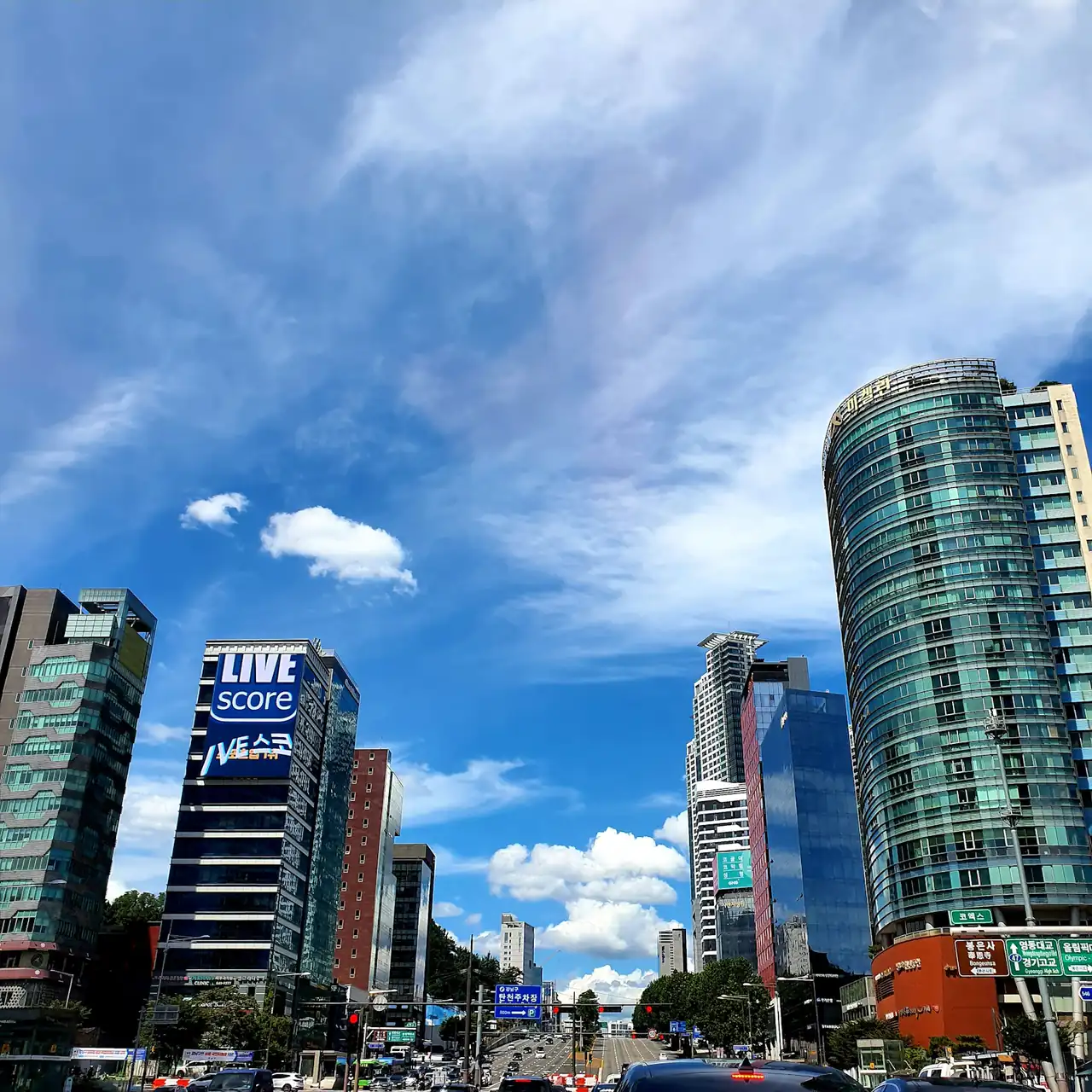
Patients considering Ultherapy in Seoul can verify the device used, the treating clinician's credentials, and the proposed line and depth plan with each clinic. Korean dermatology researchers have published consensus protocols tailored to Asian facial anatomy: for example a multi-clinic consensus describing MFU-V line counts and depth sequencing for Korean male patients[3]. That paper supports the existence of a published protocol; it does not establish Seoul's device density or any individual clinician's treatment volume.
The harder-to-verify reason is the assumption that prices are lower in Seoul. They sometimes are, but the gap has narrowed in recent years and the difference is not always meaningful once travel, accommodation, and a realistic margin for follow-up are accounted for. The pricing page on this site offers ranges rather than fixed numbers; the exact quote is finalised at consultation when the dermatologist has decided how many lines to deliver across which zones.
The patient journey, end to end
Consultation, optional preliminary photo review, treatment and follow-up are separate stages. Final assessment takes place in person.
What a consultation looks like
A consultation is typically thirty to forty-five minutes. The dermatologist reviews medical history, current medications (notably any anticoagulants), prior cosmetic treatments in the lower face and neck, and your aesthetic goals. The face and neck are then examined under good light, with attention to skin thickness, laxity grade, bony support, and any zones where MFU-V is contraindicated: for example, areas of permanent filler, recent surgical incisions, or active infection.
If the dermatologist judges that MFU-V is appropriate, the recommended line count and zone mapping is shared together with a price quote. If a different modality (RF microneedling, thread lift, or, in advanced laxity cases, surgical consultation) would be a better match for your goals, that is discussed instead.
References
- Vachiramon V, Pavicic T, Casabona G, et al. Microfocused Ultrasound in Regenerative Aesthetics: A Narrative Review on Mechanisms of Action and Clinical Outcomes. J Cosmet Dermatol. 2024;24(2):e16658.
- Fabi SG. Noninvasive skin tightening: focus on new ultrasound techniques. Clin Cosmet Investig Dermatol. 2015;8:47-52.
- Park JY, Hong W, Lee KC, et al. Customizing Microfocused Ultrasound With Visualization Treatment for Facial Lifting in Asian Men: Experience and Practical Insights From Korea. J Cosmet Dermatol. 2025;24(6):e70278.
Medically reviewed by a Korean Board-Certified Dermatologist (AAD International Fellow · ASLMS member). Last reviewed 2026-07-11. Editorially updated 2026-10-18.