Is Ultherapy Worth It? An Honest, Evidence-Based Look
For the right candidate, Ultherapy® (MFU-V) may be worth considering: a meta-analysis found about 77% of patients improved at 90 days and about 78% were satisfied, with an average pain score around 3/10. Most people resume usual activity the same day, but temporary redness, swelling, tenderness, bruising, numbness or altered sensation can occur. The trade-offs are straightforward: the result is gradual and modest rather than surgical, and published studies do not establish one duration for every patient. It is unlikely to fit someone expecting a facelift result, with severe laxity, or wanting a permanent change.
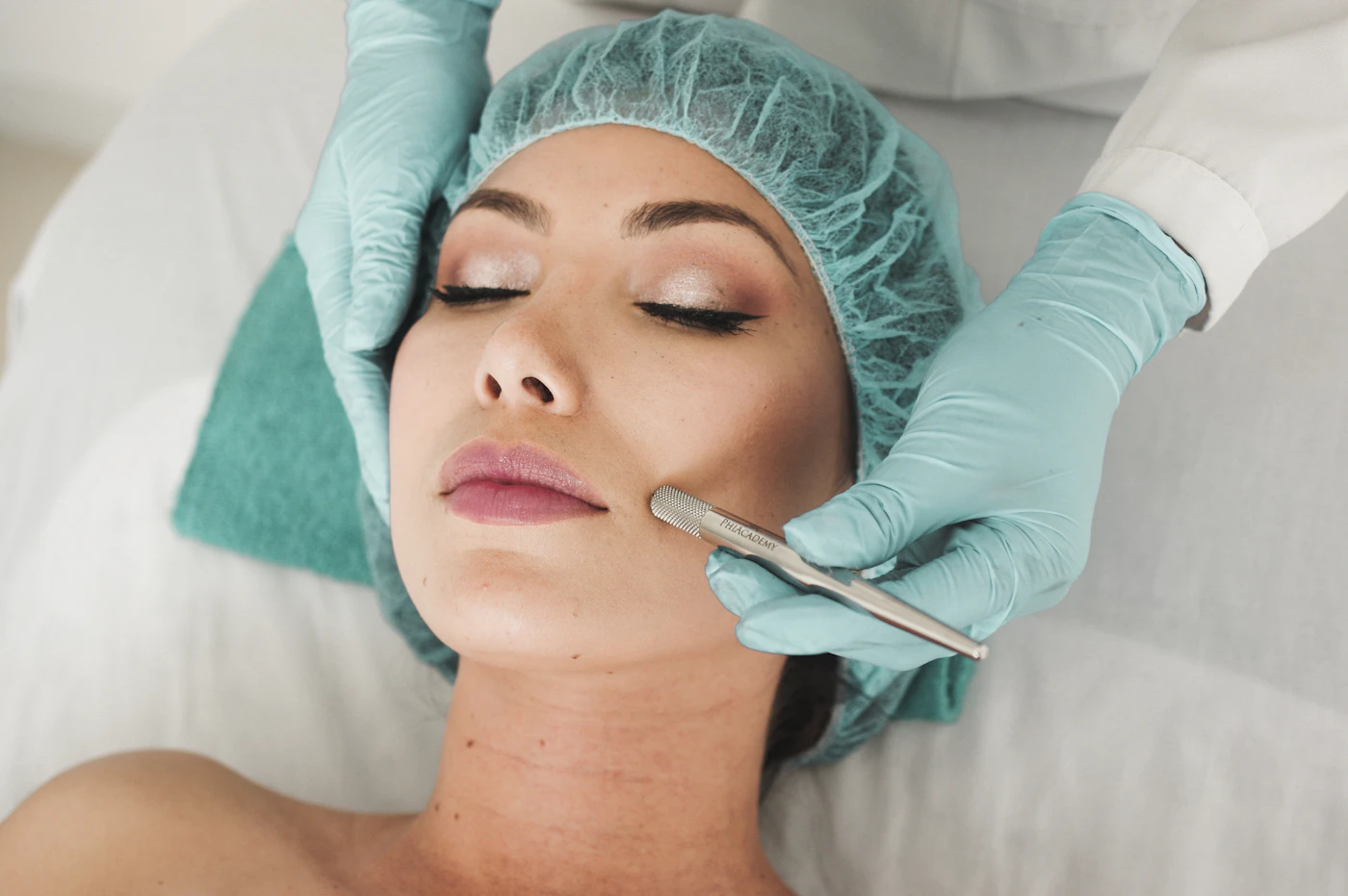
"Is it worth it" is really two questions: does it work, and does it work for you. The evidence answers the first reasonably well; the second is decided at a consultation.
What the outcome data says
A systematic review and meta-analysis of MFU for facial rejuvenation pooled 13 studies and 477 participants. It found an overall improvement response of about 77% at 90 days and 69% at 180 days on the Global Aesthetic Improvement Scale, with roughly 78% of patients satisfied or very satisfied at 90 days and 71% at 180 days, and an average pain score of about 3.1 out of 10 with no cases of intolerable pain[1]. A separate retrospective evaluation documented improvement at 180 days[3]. Some small studies report selected measures to 9–12 months, but these follow-up windows do not establish a universal duration.
The durability caveat matters for value. A narrative review of face and neck laxity treatment found around half of patients rated much or very much improved at days 30 and 90, with the effect largely returning to baseline by day 360[2]. And a broader efficacy review noted that most controlled studies to date enrolled female patients, so individual results are better discussed case by case[4].
Where the value is: and where it isn't
| Factor | Worth it if… | Reconsider if… |
|---|---|---|
| Laxity | Mild to moderate | Severe laxity or heavy redundant skin |
| Expectations | Gradual tightening and a modest lift | You want a surgical-grade or permanent change |
| Timeline | You can wait 2–3 months for the result | You need a visible change immediately |
| Maintenance | You accept reassessment before any maintenance session | You want one-and-done permanence |
| Downtime / pain | You can accept possible short-lived redness, swelling or tenderness; ~3/10 average pain in the cited analysis is acceptable | You cannot tolerate treatment discomfort or subsequent tenderness |
The PRIME pilot study reported a mean pain score of 4.5/10[7].
Value versus the alternatives
Worth-it is also relative. The candidacy consensus places MFU-V firmly in the mild-to-moderate band: outside it, the spend rarely pays off[6]. Among non-surgical alternatives, a thread lift gives an immediate mechanical lift but the published evidence for its durability is limited[5], which is part of why some patients combine the two; that comparison is laid out in Ultherapy vs thread lift. Cost is the other half of the equation: Ultherapy pricing factors are on the pricing page, and whether you are a good candidate at all is covered in candidates and contraindications.
If you are weighing Ultherapy against other HIFU treatments, a side-by-side review of the published evidence compares outcomes, risks and costs.
Risks and contraindications
Ultherapy® (MFU-V) is well tolerated when performed by a trained dermatologist, but it is not risk-free. Common transient effects include redness and warmth (resolves in hours), mild swelling at 1–3 days, and occasional bruising at the jawline. Reported adverse events include temporary numbness in a specific facial zone, transient weakness of a facial muscle, and small areas of skin sensitivity. The US instructions for use list open wounds or lesions, severe or cystic acne, and active or metallic implants in the treatment area as contraindications. Pregnancy, breastfeeding and anticoagulant use have not been evaluated; defer treatment during pregnancy or breastfeeding and review medications with the prescriber. Do not stop prescribed medication yourself. Avoid treating directly over an existing keloid; a history of abnormal scarring requires assessment. Korean treatment must follow the labeling for the exact device used.
References
- Ling J, Zhao H. A Systematic Review and Meta-Analysis of the Clinical Efficacy and Patients' Satisfaction of Micro-focused Ultrasound (MFU) Treatment for Facial Rejuvenation and Tightening. Aesthetic Plast Surg. 2023;47(5):1806-1823.
- Al-Omair A, Bukhari A. Patient satisfaction of microfocused ultrasound treatments on the face and neck laxity: A narrative review. J Cosmet Dermatol. 2023;22(10):2671-2676.
- Fabi SG, Goldman MP. Retrospective evaluation of micro-focused ultrasound for lifting and tightening the face and neck. Dermatol Surg. 2014;40(5):569-75.
- Contini M, Hollander MHJ, Vissink A, Schepers RH, Jansma J, Schortinghuis J. A Systematic Review of the Efficacy of Microfocused Ultrasound for Facial Skin Tightening. Int J Environ Res Public Health. 2023;20(2):1522.
- Gülbitti HA, Colebunders B, Pirayesh A, Bertossi D, van der Lei B. Thread-Lift Sutures: Still in the Lift? A Systematic Review of the Literature. Plast Reconstr Surg. 2018;141(3):341e-347e.
- Fabi SG. Noninvasive skin tightening: focus on new ultrasound techniques. Clin Cosmet Investig Dermatol. 2015;8:47-52.
- Lim J, Siew TW, Xu Y. Early Experience With Ultherapy Prime in Asia Pacific: A Pilot Case Series. Plast Reconstr Surg Glob Open. 2025;13(11):e7269.
Medically reviewed by a Korean Board-Certified Dermatologist (AAD International Fellow · ASLMS member). Last reviewed 2026-06-27. Editorially updated 2026-10-18.